
I have been refining a process of art making over the last 15 years that uses intuitively derived images expressed in my clay relief panel sculpture to gain insight into social and cultural issues. The images in each relief tell a story. Over time, I have found the best way to name these stories and the pieces is by consulting others. This blog is my first attempt to get wide spread input over the Internet on the stories behind my pieces. My hope is that my artistic insight will inspire answers to community issues where rational/scientific solutions have not.
Origin & Execution of the Rosecrans Project
The Rosecrans Project uses my artistic approach to focus on one of the most pressing modern questions of how to get past war. The idea for the Project originated at the end of 2002 after I created a work named through group consensus “The Passing of the Warrior Class”. As I thought about the significance of this name and the story behind it, I realized the world was then experiencing the largest anti-war demonstration in history against the United States entering the War in Iraq made possible by international media connections. I sensed these anti-war sediments were part of a deeper yearning that could eventually lead us beyond the need for war and decided my art might play a role in this developing international consensus.
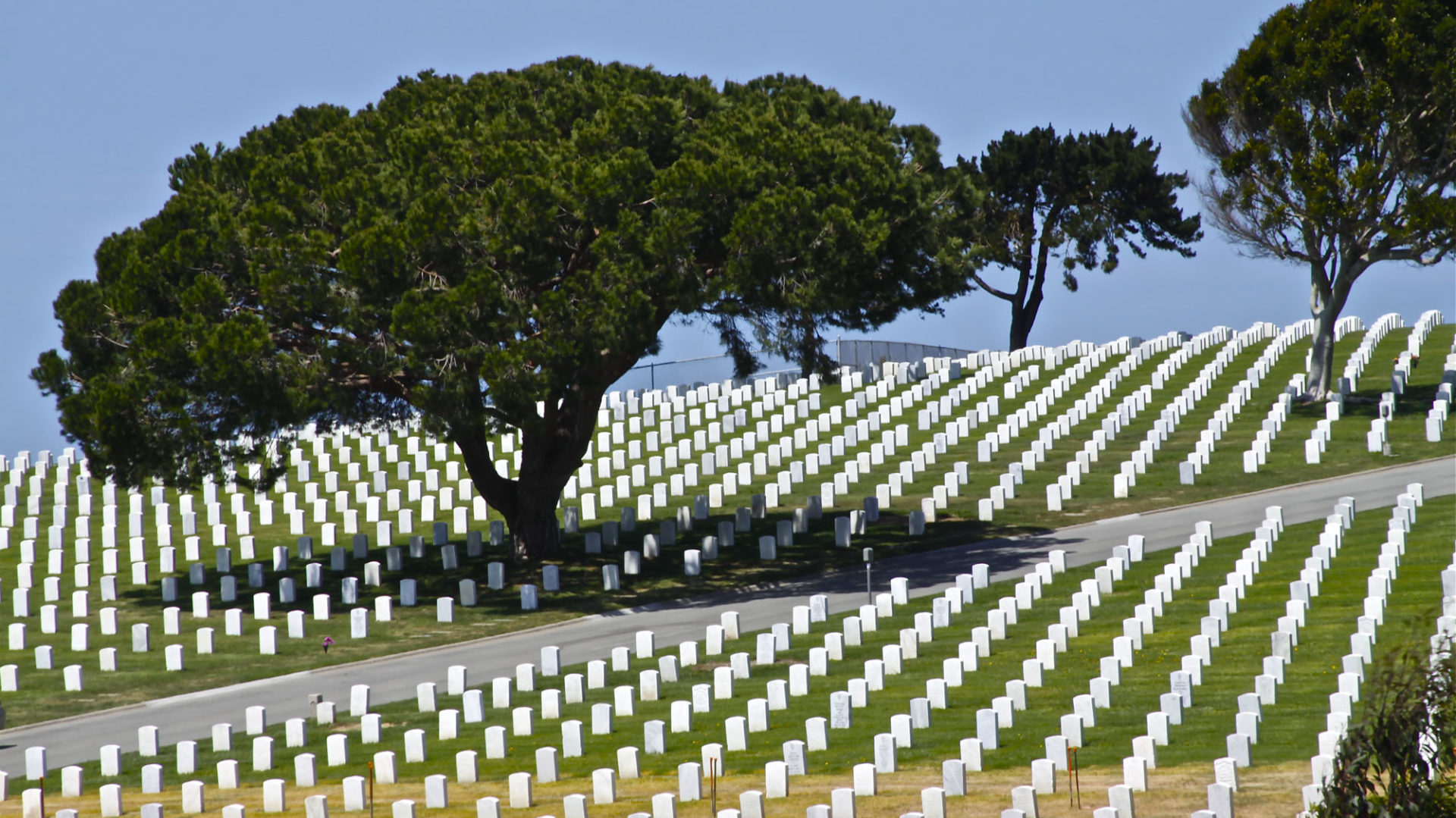
To address this issue I decided to go to the national Rosecrans Military Cemetery in San Diego where soldiers who died in all United States major wars are buried. Among the 80,000 servicemen buried there, I found and sat next to the graves of those who had died in each of our major wars and asked the question “How do we get past war?” and then I intuitively sketched for an answer. My feeling was, “Who better to ask than those who had given their lives in war?” Little did I know when I began the project in early 2003 that the U.S. would start the Iraq War in March of that year and I would sketch near the graves of three of the first seven troops to die in this war.
I visited Rosecrans 13 times from March 16 to July 4, 2003 to find and sketch by the graves of the dead. From the middle of 2003 until early 2005 I translated the sketches into my clay relief sculptures.
Your Participation: Naming the Stories
To reach the widest community of people for their input on the stories told by these pieces I have started this blog. You may access these images from the menu in the right-hand column of this page. I have also posted the piece that inspired the series and the first piece completed after ending it along with the Rosecrans series since they both are closely related to the purpose of the work. You are invited to pick as many pieces as inspire you to blog about a name for the piece that tells its story. It is not necessary to be thinking about how a piece applies to war or getting past war to name its story. Just write down whatever thoughts come to your mind or even stories the piece reminds you of that you heard in the past; and then suggest a name for the piece based on your reactions. Also, because this is a blog, you will be able to see what others have said before or after you to inspire your own comments. You are welcome to return as often as you wish to give additional input based on what others have said or just to see what new insights others have posted. Please feel free to pass this blog along to others for comment.
It is my observation that overtime a group consensus will emerge about the stories in each piece that is the basis for naming it. When I feel a group consensus has emerged around each piece, I will e-mail all those who have posted their input (and left their e-mail) to see if we have reached agreement. If we do, I will consider the naming process complete and hopefully each piece will provide us with a partial answer to the question of “How do we get past war?”
The Rosecrans Journal
My process of finding the graves that the sketches for the Rosecrans Project originated from was an emotionally moving one. I decided to keep a journal to document this process and perhaps inspire those seeking to name the stories in the pieces. Since I believe these journal entries will help you to understand the images in my pieces, I have posted the entry for each piece on the day it was sketched.
Thank you for participating
B Burkhart, Sculptor

One of first four soldiers to die in Iraq
March 20, 2003